Absolutely loved it! The thin-crust pepperoni pizza was perfectly crisp with a lovely balance of cheese and spice, and the burrata salad was fresh, colourful, and beautifully presented the edible flowers and balsamic drizzle were a nice touch. The atmosphere is calm and modern, with friendly staff and a cosy setup. A great spot for a relaxed lunch or an early dinner. Highly recommend!
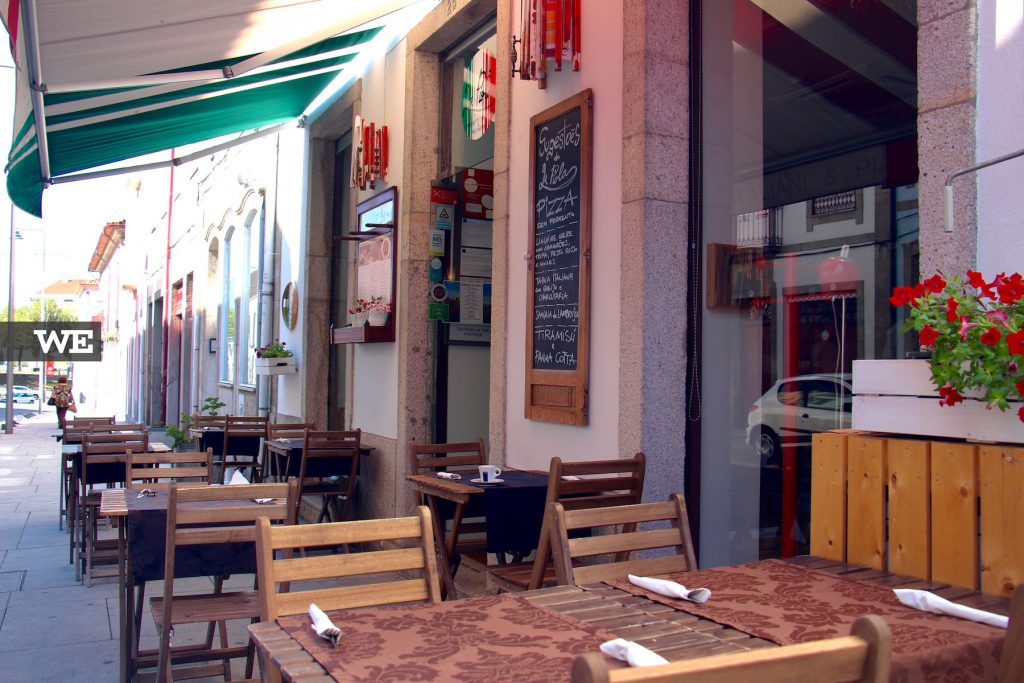
Overview
Walking into La Piola - Cucina Con Storia feels less like entering a restaurant and more like being welcomed into someone’s well-lived kitchen, the kind where recipes are inherited rather than invented. Tucked away at R. Dom Afonso Henriques 33, 4700-030 Braga, Portugal, this spot has quietly built a reputation among locals who care about food that tells a story, not just looks good on a plate. I first visited on a rainy weekday evening, and the place was already humming with conversation, which usually says more than any online review ever could.
The menu leans heavily on traditional Italian cuisine, but not in a copy-paste way. You’ll notice right away that the dishes feel rooted in regional cooking, with pasta recipes that follow old-school techniques. According to research published by the Italian Academy of Cuisine, handmade pasta absorbs sauces more effectively due to its porous texture, and that detail shows up here in every bite. The tagliatelle, for example, isn’t just fresh; it has that slightly uneven edge that tells you someone shaped it by hand, likely earlier that same day. Watching the kitchen work through an open pass gives you a real sense of process, from slow-simmered sauces to carefully timed plating.
What stands out most is how the kitchen balances authenticity with accessibility. Italian food scholars like Massimo Montanari often emphasize that traditional cooking evolves through context, and this restaurant seems to understand that. Ingredients are sourced locally when possible, especially produce and meats, which aligns with studies from the European Food Information Council showing that fresher supply chains improve both flavor and nutritional value. That local touch gives the menu a subtle Portuguese accent without drifting away from its Italian roots.
Reviews from repeat diners often mention consistency, and that’s something I’ve noticed across multiple visits. The lasagna arrives with the same rich layering every time, the béchamel never overpowering, the ragù slow-cooked until it breaks down naturally. This kind of reliability doesn’t happen by accident; it usually reflects a well-documented kitchen workflow and experienced hands on the line. In casual conversation, a staff member once mentioned that several recipes come from family notebooks, adjusted only for portion size and service flow.
The dining room itself adds to the experience. Warm lighting, wooden tables, and shelves lined with wine bottles create an atmosphere that encourages lingering. Location-wise, being so close to central Braga makes it an easy choice for both locals and visitors exploring the city. You’ll often see small groups sharing plates, which mirrors dining habits in northern Italy, where meals are social events rather than rushed stops.
Service deserves its own mention. The staff know the menu well and are comfortable explaining differences between sauces or suggesting wine pairings without sounding rehearsed. According to hospitality research from Cornell University, knowledgeable service staff significantly improve perceived meal quality, even when food remains constant. That insight plays out here in real time, especially for guests unfamiliar with traditional Italian terminology.
Of course, no place is flawless. During peak weekend hours, waiting times can stretch a bit longer than expected, especially for made-to-order pasta dishes. That’s the trade-off with fresh preparation, and it’s worth knowing ahead of time. Reservations help, and most reviews suggest planning accordingly.
Overall, the appeal lies in how naturally everything comes together: menu choices that respect tradition, a location that feels part of the neighborhood, and an approach to cooking that values patience over shortcuts. This is the kind of restaurant people return to not for novelty, but for comfort, familiarity, and the quiet confidence of food done right.
Good to know
Service options
✓ Outdoor seating ✓ Delivery ✓ Takeaway ✓ Dine-inHighlights
✓ Great beer selection ✓ Great coffee ✓ Great dessert ✓ Great wine listPopular for
✓ Lunch ✓ Dinner ✓ Solo diningAccessibility
✓ Wheelchair-accessible entrance ✓ Wheelchair-accessible seatingOfferings
✓ Alcohol ✓ Beer ✓ Coffee ✓ Quick bite ✓ Small plates ✓ Spirits ✓ Vegetarian options ✓ WineDining options
✓ Lunch ✓ Dinner ✓ Dessert ✓ Seating ✓ Table serviceAmenities
✓ Toilet ✓ Wi-Fi ✓ Wi-FiAtmosphere
✓ Casual ✓ Cosy ✓ Quiet ✓ Romantic ✓ TrendyCrowd
✓ Family friendly ✓ Groups ✓ TouristsPlanning
✓ Dinner reservations recommended ✓ Accepts reservationsPayments
✓ Debit cards ✓ NFC mobile payments ✓ Credit cardsChildren
✓ Good for kids ✓ High chairs ✓ Kids' menuPhotos
1 / 4
Location
Reviews
- No ratings yet 1106 reviews
Have eaten here a few times over the last few weeks as a single diner. It is a warm and friendly atmosphere. I have had the piadine, pizza and pistachio penne pasta. All freshly cooked and flavoursome and filling. Also had an excellent panna cotta desert as well. Italian wines and plenty of other drinks. Recommended for all singles, couples, groups and families.
A casual place with good pizzas and pastas - and a good wine list! I've tried a couple pizzas, more than sufficient for one person, thin crust, not overwhelmed with sauce and toppings, but very flavorful. I tried the gnocchi Amatriciana last night and it was delicious! Guanciale was cooked perfectly for a little zing of flavor. I ate the whole thing . . . Probably could have shared it. Gets a little loud on a Saturday night but that adds to the atmosphere! We made reservations for four on a Saturday evening. It did fill up!
Great little find as we needed a light meal before running for the train to return from Braga to Porto. The staff were so welcoming and friendly, we had an excellent bottle of red at such a reasonable price and shared a pizza. The staff were accommodating when we said we had to pay the bill promptly, we are so glad we walked out of a pricey, formal restaurant and stopped at La Piola, the atmosphere was very relaxed and we caught that train.
Absolutely amazing food, excellent prices, friendly staff, and a very nice place for street side dining
We really enjoyed our meal here mid afternoon. Service was great and friendly. Apple pie was delicious. Best to eat inside if you can as it has lots of atmosphere.
I was walking near this restaurant and the menu outside got my eye. It was a great decision to go in and try, even though I was hungry and at that point anything is good enough But, it wasn't just hungry, the carbonara was absolutely great, it was the right amount, tasty, creamy, delicious! Also got soup And the staff was so kind, they saw me struggling with portuguese and asked me if I knew other languages to better communicate it was a nice gesture Anyway, it was a great experience all of it Will definitely be back